Public Facilities Pest Management in Sabah
Responsible pest management for government offices, institutions and public-use buildings.
Inspection-led programmes, operational coordination and clear service documentation—planned around the needs of your facility.
Serving Greater Kota Kinabalu and suitable assignments across Sabah, subject to availability.
Government and public facilities pest management in Sabah requires a practical approach to public hygiene, building maintenance, safe access and daily operations. BT PEST TERMINATE provides site-specific pest inspection and management services for government offices, institutional premises and other public-use facilities in Kota Kinabalu and across serviceable areas of Sabah.
Public facilities may serve visitors, staff, contractors and vulnerable users every day. A suitable pest management programme should therefore consider the premises, reported pest activity, public access arrangements, operating schedules and the responsibilities of the facility management team.
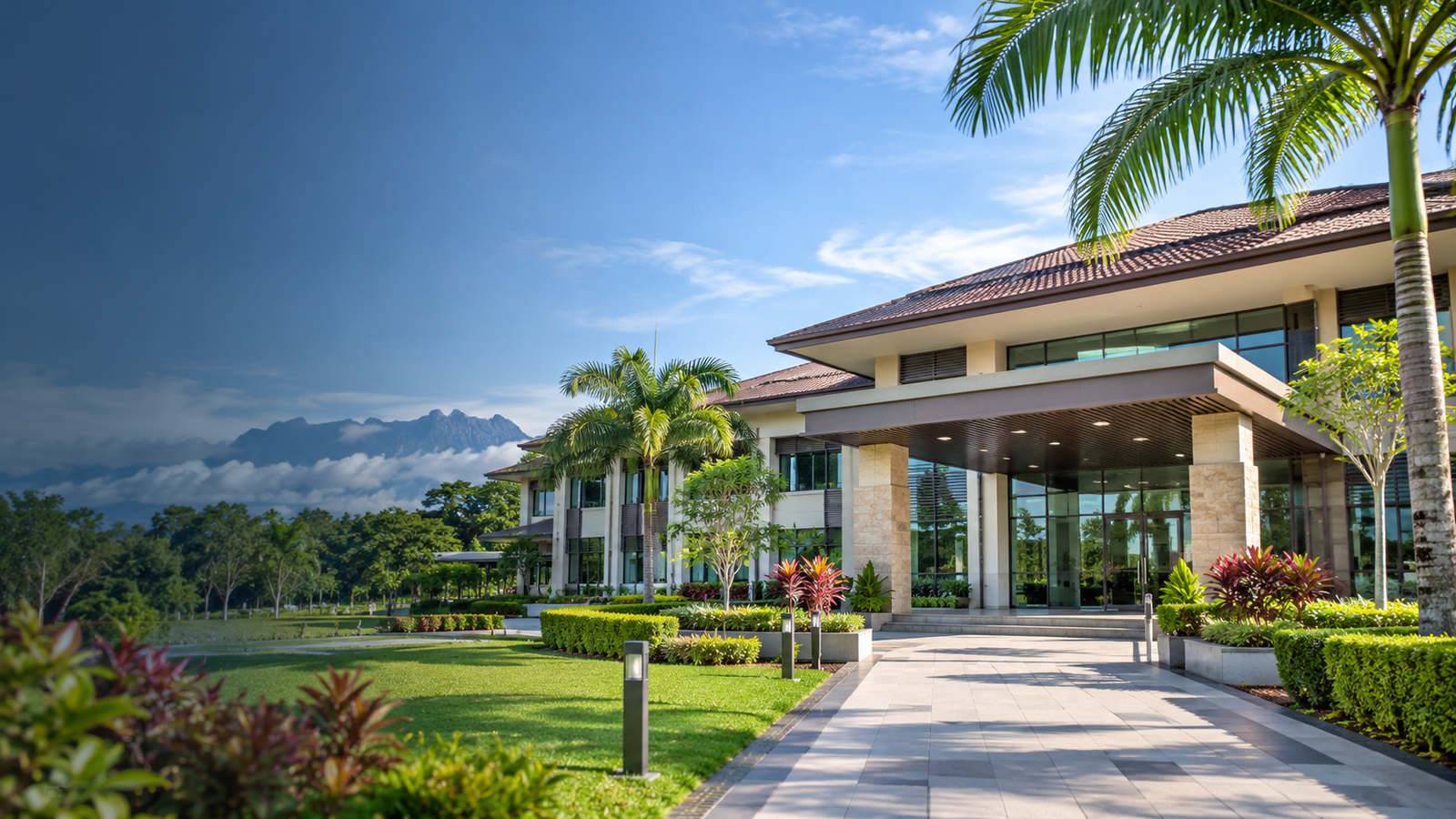
Government & Public Facilities Pest Control in Sabah
BT PEST TERMINATE works with facility representatives to discuss the pest concerns and practical requirements of each site. Public-facing properties can have different risk areas, including drainage systems, waste collection points, storerooms, staff pantries, landscaping and shared amenities.
Depending on the location and service scope, suitable premises may include:
- Government departments, administrative offices and public service counters
- Community halls, training centres and institutional buildings
- Waiting areas, meeting rooms, washrooms and common spaces
- Storage rooms, maintenance areas and utility facilities
- Outdoor grounds, perimeter drains, landscaping and waste-handling areas
Some sites require coordination around office hours, security procedures, sensitive rooms or visitor access. These arrangements should be discussed before inspection or treatment begins.
Common Pest Risks in Government and Institutional Premises
Public facilities pest management is not limited to spraying when pests are visible. Recurring pest problems may result from conditions around food, water, shelter, structural openings and waste management. Our inspection process helps identify relevant concerns before control methods are recommended.
Rats and Mice
Rodents may enter through gaps around doors, service penetrations and drainage routes. Waste areas, storerooms and concealed building spaces can require closer attention. Learn more about our rodent management services.
Cockroaches, Ants and Other Crawling Pests
Pantries, washrooms, drainage areas and shared spaces may support pest activity. Suitable management can involve inspection, targeted treatment, cleaning recommendations and follow-up as required. See our general pest control services.
Mosquitoes and Outdoor Pest Concerns
Outdoor containers, stagnant water and poorly maintained drainage can create conditions favourable to mosquito breeding. Inspection and practical source-reduction measures may be recommended alongside appropriate mosquito management.
Termites in Existing Buildings
Where timber, fittings or other susceptible components show possible termite damage, a specific inspection is important. The appropriate response depends on the site conditions and type of termite activity. Explore our termite management services.
Our Approach to Public Facilities Pest Management
1. Site Inspection and Risk Assessment
We begin by understanding the facility type, reported pest problem, access limitations and areas of concern. Inspection findings may identify signs of activity, potential entry points, waste and storage conditions, moisture sources and locations where monitoring may be useful.
2. Treatment and Monitoring Plan
Where appropriate, BT recommends targeted pest control methods suitable for the identified pest, location and operating conditions. Depending on the agreed programme, monitoring points and periodic follow-up may be included to assess changes in activity.
3. Scheduling, Safety and Coordination
Public-facing premises often require careful coordination with the person in charge. Treatment timing, access to restricted areas, preparation requirements, product use and relevant safety precautions should be agreed before work starts. The facility may need to arrange temporary access controls or staff coordination where appropriate.
4. Service Records and Recommendations
Government and institutional customers may require documentation for internal administration or facilities management. Depending on the agreed scope, BT can discuss service reports, inspection findings, treatment records, photographs, monitoring observations and recommendations for preventive action.
5. Scheduled Review and Prevention
For properties with recurring pest pressure, a planned programme may include repeat inspections and service reviews. Recommendations can address waste handling, housekeeping, drainage maintenance, sealing entry points and other environmental conditions requiring action by the facility’s management or maintenance team.
Why Choose BT PEST TERMINATE for Public Facilities?
Established in Sabah in 2014, BT PEST TERMINATE provides pest management services for residential, commercial and institutional environments. Our approach focuses on identifying the pest concern, recommending an appropriate scope of work and supporting clients with clear service communication.
- Sabah-based service experience: Familiarity with properties and operating conditions in Kota Kinabalu, Penampang, Beaufort and other serviceable districts.
- Site-specific recommendations: Inspection findings and building requirements guide the proposed programme.
- Practical coordination: We discuss public access, operating hours and applicable site procedures before service.
- Service documentation: Reporting and follow-up requirements can be agreed as part of the quotation or contract.
- Multiple pest concerns: Suitable options may cover rodents, cockroaches, ants, mosquitoes, termites and other relevant pests, depending on assessment.
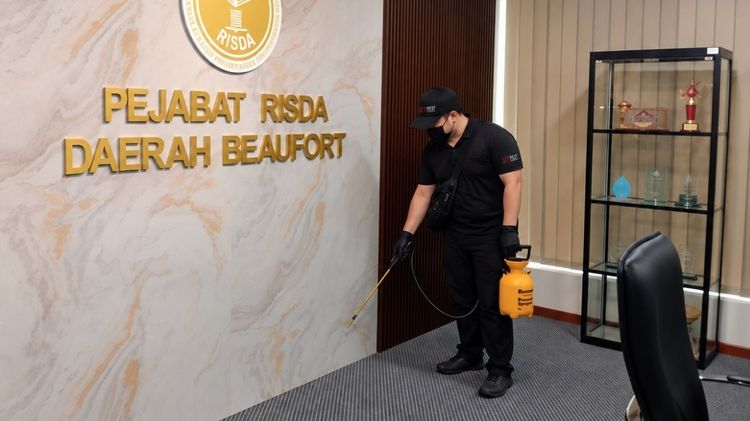
Our previous pest-management work includes the public-facility setting shown in the photograph above. The photograph illustrates an actual service environment; it does not imply an endorsement or an ongoing contract.
For reference on the licensing framework applicable to pest-control operators in Malaysia, see the Department of Agriculture Malaysia’s official PCO licensing guidance. This information can help public-facility representatives understand the relevant operator and applicator licensing categories.
Coverage in Kota Kinabalu and Other Sabah Districts
BT discusses government pest control in Sabah for suitable facilities in Greater Kota Kinabalu, including Penampang, Kepayan, Putatan, Likas, Inanam and surrounding areas. Enquiries from Beaufort and other Sabah districts may also be considered based on project scope, travel requirements, scheduling and service availability.
For broader service locations, please visit Areas We Serve. For a wider range of programmes for offices and managed properties, see Commercial Pest Management.
Frequently Asked Questions
Can government offices arrange pest control outside working hours?
Scheduling can be discussed according to technician availability, the treatment method, site access and the facility’s operational requirements. We recommend confirming arrangements before a service date is agreed.
Can BT provide service reports for a public facility?
Yes, service documentation can be discussed as part of the agreed scope. Any special reporting format, photographs, monitoring records or procurement-related requirements should be shared during the enquiry stage.
How often should public facilities receive pest management services?
There is no single schedule suitable for every building. Frequency depends on pest activity, facility use, site conditions, inspection findings and applicable requirements.
Does BT handle multiple buildings or government premises?
We can discuss a multi-building or multi-location requirement and assess feasibility based on the site locations, access arrangements, scope of work and scheduling.
Request a Government & Public Facilities Pest Management Proposal
If you manage a government office, institution or public-use building in Sabah, contact BT PEST TERMINATE to discuss a suitable inspection or pest-management programme. Please provide the facility type, location, affected areas, suspected pests, preferred service period and any procurement, safety or reporting requirements.
Our team can then discuss the site assessment, quotation and practical next steps. WE GIVE PEACE OF MIND.
Request a site assessment or service proposal.
Tell us the facility type, location, pest concerns, affected areas and urgency. The questions are adapted from BT's existing online enquiry form to suit government and institutional customers.
For urgent enquiries, call 016-811 7936 or WhatsApp BT.